ADT Breach Exposes Millions of Customer Records via Vishing Attack on Okta
ADT confirms a breach exposing customer data after a ShinyHunters vishing attack on Okta; details, impact and defender steps.
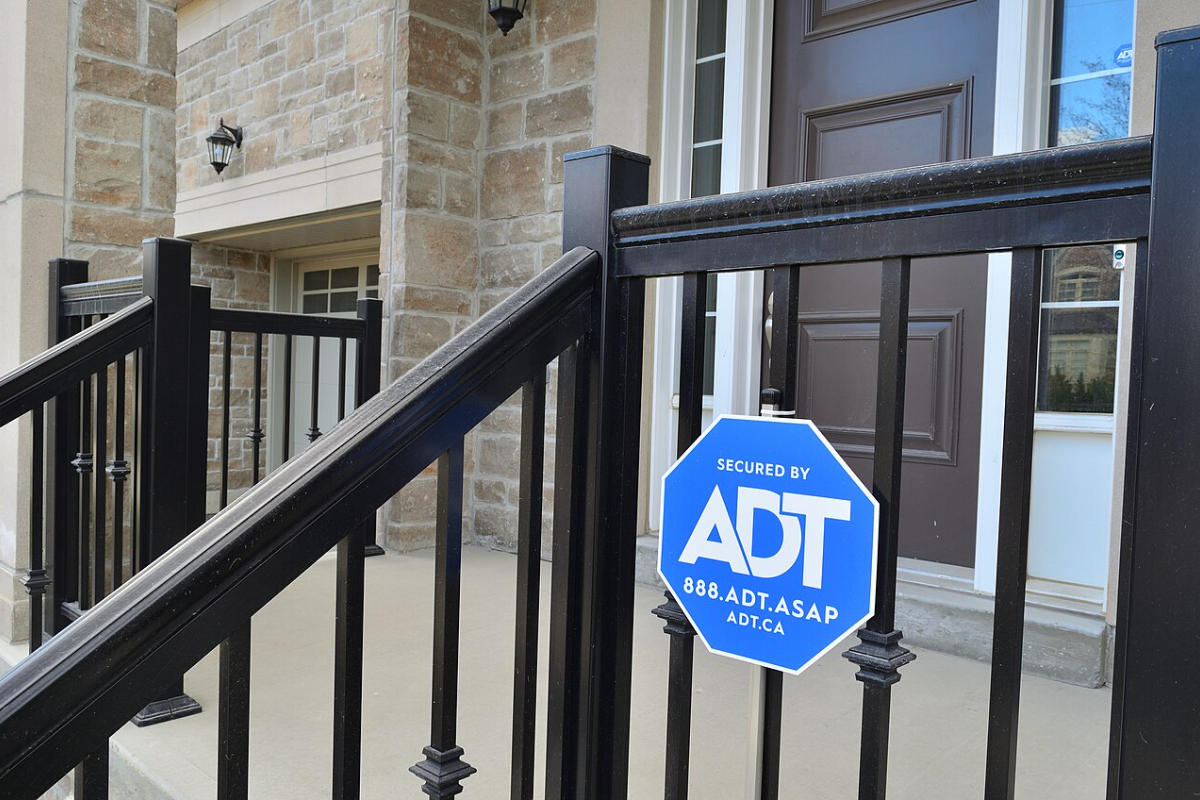
TL;DR: On April 20 ADT detected unauthorized access to customer data after a voice‑phishing attack compromised an employee’s Okta single sign‑on account. ShinyHunters claims over 10 million records were taken, including names, phones, addresses and in some cases dates of birth and the last four digits of SSNs or Tax IDs.
Context: ADT confirmed the intrusion was identified quickly, contained and investigated with third‑party experts. The company said no payment information or customer security systems were accessed. The attack follows a pattern where threat actors target identity systems instead of exploiting software vulnerabilities.
Key Facts: The exposed data set consists of names, phone numbers, addresses and, for a small subset, dates of birth plus the last four digits of Social Security numbers or Tax IDs. ShinyHunters alleges the breach originated from a vishing call that yielded Okta credentials, granting access to ADT’s Salesforce environment. ADT has not independently verified the 10 million‑record figure but acknowledges the scope of accessed customer and prospective customer data.
What It Means: Even partial personal data enables highly convincing social‑engineering scams, account‑takeover attempts and synthetic identity fraud. The incident underscores that organizations focused on physical security remain lucrative targets for credential‑based attacks, highlighting the need for robust identity‑protection controls.
Mitigations: Enforce phishing‑resistant multi‑factor authentication for all privileged and remote access accounts, especially Okta and similar SSO platforms. Monitor authentication logs for impossible travel, repeated failed MFA attempts and anomalous Salesforce API usage (MITRE ATT&CK T1078.004, T1566.002). Apply the principle of least privilege to Salesforce profiles and review sharing rules regularly. Conduct regular vishing awareness training and simulate voice‑phishing attempts to measure susceptibility. Deploy detection rules for Okta session anomalies and Salesforce data‑export spikes.
What to watch next: Expect possible extortion demands or a dark‑web leak of the claimed data set, and monitor for follow‑on credential‑stuffing campaigns targeting the exposed personal details.
Continue reading
More in this thread
ADT Breach Exposes Names, Phones, Partial SSNs as ShinyHunters Claims 10M Records Stolen
Peter Olaleru
GPT-5.5 Matches Anthropic's Mythos Preview in AISI Cybersecurity Benchmarks
Peter Olaleru
GPT-5.5 Matches Anthropic's Mythos Preview in Independent Cybersecurity Tests
Peter Olaleru
Conversation
Reader notes
Loading comments...