ADFD backs Jordan’s 103 MW solar complex and Comoros’ 6.3 MW plant with over AED 576 million in financing
The Abu Dhabi Fund for Development (ADFD) committed over AED 576 million to solar projects in Jordan (103 MW) and Comoros (6.3 MW), accelerating clean energy transition.
Abu Dhabi Fund for Development
TL;DR
The Abu Dhabi Fund for Development committed over AED 576 million in financing for two solar power projects, supporting 103 MW in Jordan and 6.3 MW in Comoros. This investment aims to expand clean energy access and enhance energy security in partner nations.
Context Accelerating the global transition to sustainable energy systems demands coordinated international action and sustained investment. Clean energy financing stands as a critical component of development mandates, enabling partner countries to expand reliable electricity access, cut carbon emissions, and boost energy security. These strategic investments directly contribute to global climate resilience goals, addressing both environmental challenges and developmental needs.
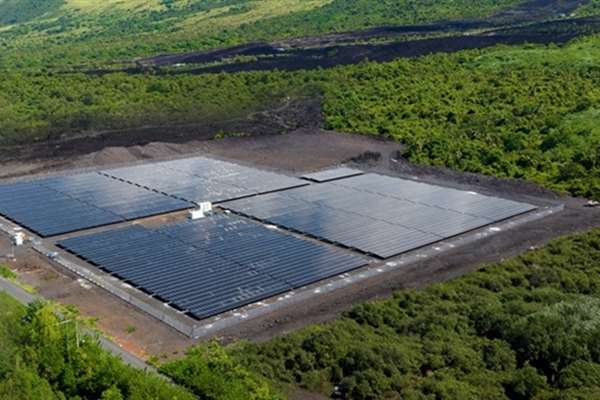
Key Facts The Abu Dhabi Fund for Development (ADFD) committed significant capital to two solar power initiatives. Jordan's Sheikh Zayed Solar Power Complex received AED 551 million, now delivering 103 megawatts (MW) of solar power. This capacity serves over 50,000 homes in the region. Concurrently, ADFD financed a 6.3 MW solar power plant in the Union of Comoros with AED 25.7 million. In total, ADFD's financing for these two projects surpasses AED 576 million, demonstrating a substantial commitment to renewable infrastructure.
What It Means These investments directly translate into expanded renewable energy generation capacity for both nations, marking a tangible step towards energy independence. In Jordan, the 103 MW complex significantly enhances the country's clean electricity supply, actively reducing its dependence on imported energy sources and lowering national carbon emissions. This aligns with national strategies to diversify energy portfolios and mitigate climate impact. Similarly, the 6.3 MW Comoros plant plays a vital role in stabilizing the island nation’s electricity grid and advancing its shift away from conventional energy sources, thereby decreasing its carbon footprint and improving energy access for its population.
Such dedicated financial support mechanisms underscore the direct impact of capital injection into green infrastructure. For developing economies, these projects offer more than just power; they reinforce economic resilience by lessening the cost burdens associated with volatile fossil fuel markets. The global energy transition relies on such capital deployments, contributing to an overall shift away from carbon-intensive power generation. This commitment by entities like ADFD reflects a broader trend among sovereign wealth funds and development institutions to align their investment strategies with climate action and sustainable development targets.
Looking Ahead Observers will track the long-term operational performance of these solar complexes and their specific contributions to national energy independence and environmental targets. The continued flow of international investment into similar renewable energy projects remains a key indicator for the global energy transition's speed and scale, shaping future energy landscapes.
Continue reading
More in this thread
Indonesia Holds Rates at 4.75% as Rupiah Hits Record Low, BI Vows More Intervention
David Amara
Trump Memecoin Burns Retail Investors for $4.3B While Family Nets $280M
David Amara
Trump Memecoin Losses Top $4.3 Billion as Family Profits Exceed $280 Million
David Amara
Conversation
Reader notes
Loading comments...