Abbott's 'great big tax' rhetoric and misinformation derailed Gillard's carbon pricing, leaving lasting policy scars
Explore how Tony Abbott's "great big tax" rhetoric contributed to the downfall of Julia Gillard's carbon pricing scheme, shaping Australia's climate policy debates.
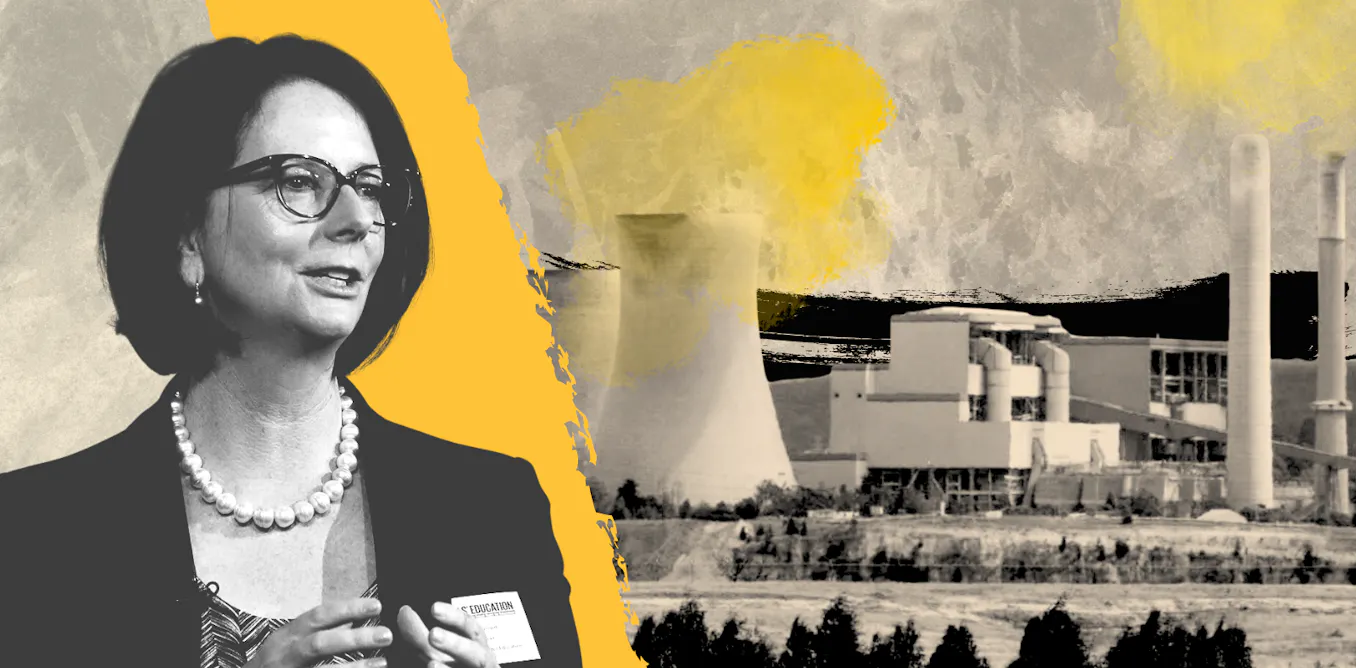
The Gillard government's carbon pricing scheme, designed to address climate change, faced intense political opposition. Opposition Leader Tony Abbott's campaign framed it as a "great big new tax," contributing to its eventual repeal and shaping future climate policy debates.
Climate policy became a central political issue in Australia during the early 2000s, driven by growing international attention on climate change economics and impacts. Labor, under Kevin Rudd, initially championed an emissions trading scheme, declaring climate change "the great moral challenge of our generation." After Rudd's attempt failed to secure parliamentary support, Julia Gillard inherited the complex task of legislating a climate mechanism.
The Gillard government, with support from the Greens, implemented a carbon pricing scheme, which commenced on July 1, 2012, through the Clean Energy Act. This mechanism placed a cost on carbon emissions, aiming to transition Australia towards a cleaner economy. However, the policy faced immediate and severe political backlash.
Opposition Leader Tony Abbott characterized the initiative as a "great big new tax on everything." He asserted that the government abandoned earlier climate policy attempts due to public perception of such a large new tax. Former Treasurer Jim Chalmers later highlighted significant dishonesty within this public debate. He specifically cited exaggerations from Abbott and others, including claims that Sunday roasts would exceed $100 and that entire towns would become uninhabitable "ghost towns" due to the policy's economic impact.
This intense rhetorical campaign significantly influenced public opinion and political discourse, ultimately leading to the carbon price's repeal in 2014. The episode left deep scars on Australia's climate policy landscape, demonstrating how framing and misinformation can derail policy initiatives. The debate also established a precedent for highly contentious discussions surrounding economic reforms tied to environmental objectives. Observers will watch how future governments attempt to balance economic impacts with climate action, particularly given these historical precedents.
Continue reading
More in this thread
Oman Reaffirms Support for Somalia's Unity as Ministers Meet in Muscat
Nadia Okafor
Putin Welcomes Seychelles Leader in Moscow to Boost Ties Amid 40% Tourism Decline
Nadia Okafor
Pope Leo XIV Affirms State Border Control and Migrant Dignity, Rejects Formal Same-Sex Blessings
Nadia Okafor
Conversation
Reader notes
Loading comments...