7‑Eleven breach leaks franchise applicants' SSNs, about 50 U.S. records exposed
About 50 franchise applicants in New England had their names, addresses and Social Security numbers exposed in a 7‑Eleven data breach.
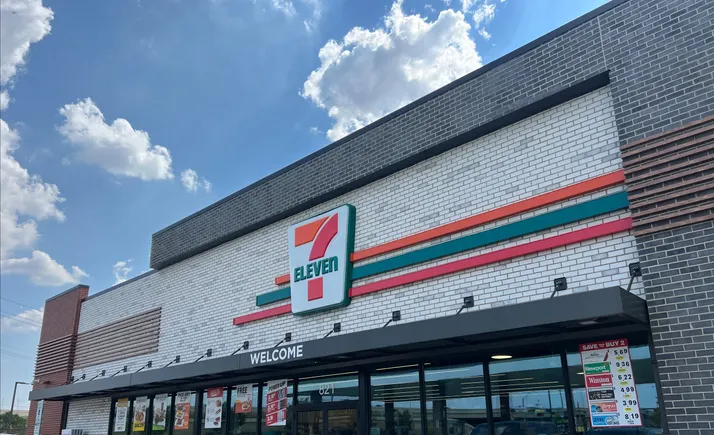
*TL;DR: 7‑Eleven disclosed that a breach revealed personal data—including Social Security numbers—of about 50 franchise applicants in Massachusetts, Maine and Vermont. Notification letters began mailing on May 15.*
Context 7‑Eleven’s internal investigation uncovered that documents submitted during the franchise application process were accessed by an unauthorized party. The compromised files contained applicant names, residential addresses and Social Security numbers. The breach did not affect point‑of‑sale systems, customer purchase data or store operations.
Key Facts - The incident was identified by 7‑Eleven’s security team before any public disclosure. - Starting May 15, the company mailed “Notice of Security Incident” letters to the affected individuals, as confirmed by a sample filing with the Maine Attorney General. - State breach filings show the impact is limited to roughly 50 people across three New England states. - No evidence suggests the breach targeted everyday customers or the broader corporate network.
What It Means The exposure of Social Security numbers raises identity‑theft risk for the affected applicants. Because the data originated from franchise applications, the breach highlights the need for tighter controls around onboarding documents, which often sit in less‑protected repositories. Attackers likely exploited a misconfigured file share or credential compromise, a common vector cataloged as “Exfiltration Over Web Service” (MITRE ATT&CK T1048). No specific threat actor has been identified, and no CVE (Common Vulnerabilities and Exposures) reference has been released, suggesting the flaw was procedural rather than software‑based.
Mitigations – What Defenders Should Do 1. Audit access controls on all directories that store personally identifiable information (PII). Enforce least‑privilege permissions and require multi‑factor authentication for privileged accounts. 2. Enable file integrity monitoring to detect unauthorized changes to sensitive documents. Tools that generate alerts on new read/write events can surface suspicious activity quickly. 3. Encrypt PII at rest using industry‑standard algorithms (e.g., AES‑256). Encryption limits exposure if a storage location is accessed without authorization. 4. Implement data loss prevention (DLP) policies that block outbound transfers of SSNs and other high‑value fields unless explicitly authorized. 5. Conduct regular phishing simulations and credential‑theft awareness training, as compromised credentials remain a primary entry point for attackers. 6. Review and update incident response playbooks to include scenarios where onboarding data is targeted, ensuring rapid containment and notification.
Looking Ahead Watch for any follow‑up filings that may expand the scope of affected individuals and for 7‑Eleven’s detailed technical advisory, which could reveal the exact vector and inform broader industry hardening efforts.
Continue reading
More in this thread
Lawmakers Press CISA Over Contractor's Public GitHub Leak of AWS GovCloud Keys
Peter Olaleru
TrueData Solutions Launches Free Privacy Opt-Out Service in Europe Amid Digital ID Debate
Peter Olaleru
TrueData Solutions Rolls Out Free Privacy Tools in Europe Amid Digital ID Debate
Peter Olaleru
Conversation
Reader notes
Loading comments...