59,000-year-old Neanderthal Molar Shows Oldest Known Dental Drilling
A 59,000‑year‑old Neanderthal molar from Siberia shows a deliberately drilled hole reaching the pulp, marking the oldest known dental treatment identified in a PLOS ONE study.
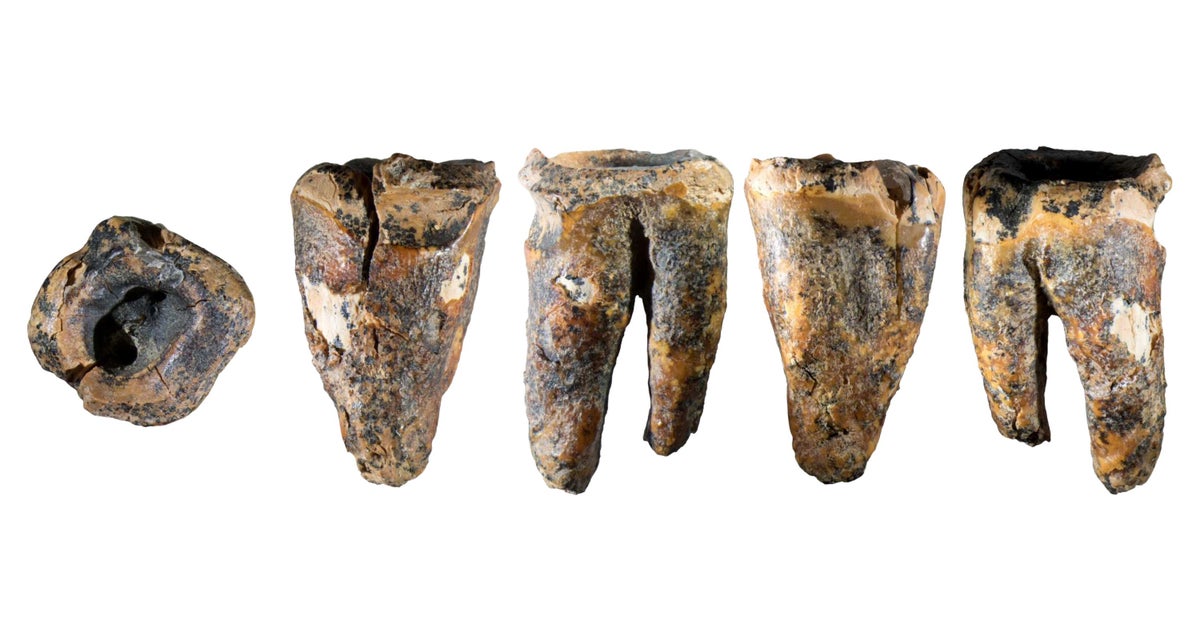
A row of photos of an ancient Neanderthal molar against a white background.
TL;DR
A 59,000-year-old Neanderthal upper third molar from Chagyrskaya Cave in Siberia contains a hole that reaches the pulp chamber, made with a stone tool. The find, reported in PLOS ONE by researchers from the Russian Academy of Sciences, is the oldest known evidence of dentistry.
Context Researchers uncovered the tooth in sediment dated to about 59,000 years ago. It shows a large cavity on the chewing surface that extends into the inner pulp, where nerves and blood vessels reside. Such exposure would kill the nerve and relieve pain from infection.
Key Facts - The hole’s walls display fine scratches consistent with deliberate drilling rather than natural wear. - Lead researcher Alisa Zubova noted that the possibility of intentional work "demanded special analysis." - To test the hypothesis, the team used scanning electron microscopes, micro‑CT scans, and Raman spectroscopy to examine the tooth’s surface and chemistry. - They replicated a stone drill from local materials and used it on three modern human teeth, producing marks that matched those on the Neanderthal molar. - The drilled hole reaches the pulp chamber, a depth of roughly 2-3 mm in this molar, indicating removal of infected tissue.
What It Means This discovery pushes back the timeline of therapeutic intervention by tens of thousands of years, showing that Neanderthals understood basic pain relief through invasive procedures. It suggests a level of medical knowledge and caregiving previously attributed only to much later Homo sapiens.
What to watch next Future studies will look for similar wear patterns on other Pleistocene teeth and attempt to identify the plant or mineral substances that might have been used alongside drilling for antiseptic effects.
Continue reading
More in this thread
James Webb Telescope Reveals Ultra-Faint Galaxy 800 Million Years After Big Bang
Dr. Leo Tanaka
CO2 Hits Record 431 ppm as NOAA Faces Funding Cuts That Threaten Mauna Loa Monitoring
Dr. Leo Tanaka
Mitsubishi Electric’s Soil Carbon Tech to Feed Japan’s 2027 Emissions Trading Scheme
Dr. Leo Tanaka
Conversation
Reader notes
Loading comments...